
We Will Be
Your Voice
McKinney Divorce Attorneys | Family Law Lawyers
The McKinney Family Law Firm of Woods & Matlock P.C.
affiliated with Mackoy, Hernandez, Jones & Woods.
No two families are alike, from individual personalities to the various situations that generate family conflicts. We the McKinney divorce attorneys and Texas family lawyers of Woods & Matlock recognize that the “one size fits all” approach used by some family law firms is not appropriate. Each client deserves attention to his or her unique values and objectives in seeking the resolution of family difficulties. This philosophy sets us apart.
Positive legal solutions for your problems is the exclusive approach of Woods & Matlock attorneys. As experienced McKinney divorce attorneys and Family Lawyers certified by the Texas Board of Legal Specialization, we possess a deep understanding of the trauma associated with family conflict, and, great compassion for our clients as we help them deal with difficult issues.
When the foundation of your family is shaken, everyone affected is charged with intense emotion. Because of the intimate nature of domestic relationships, lawsuits involving divorce, child custody and related issues require legal finesse coupled with strong communication and negotiation skills. Devising a workable solution tailored to your particular needs is always our objective.Your welfare is our ultimate priority.
When you need legal advice and guidance to resolve sensitive family issues, you deserve personalized attention focused on your individual needs and rights. Woods & Matlock’s McKinney divorce lawyers and staff will pursue all the legal options that best serve you and your family, including collaborative law, divorce mediation and litigation.
Sensitive Resolution of Difficult Situations
At Woods & Matlock, P.C. – Divorce and Family Law Attorneys, clients turn to our family lawyers for their extensive legal experience and skilled versatility in handling divorce and other types of family law cases. Our attorneys offer clients reasonable, cost-effective alternatives to litigation, including collaborative law, mediation and arbitration.
We use litigation as a last resort when other options prove to be ineffective in protecting the client’s interests. When the need arises, Kay Woods and Robert Matlock aggressively litigate cases on behalf of their clients to help them achieve their objectives.
WHO WE SERVE
More than 75 years of collective experience. Our family law attorneys are widely known for their work in the fields of litigation, collaborative law, mediation and arbitration.






OUR TEAM
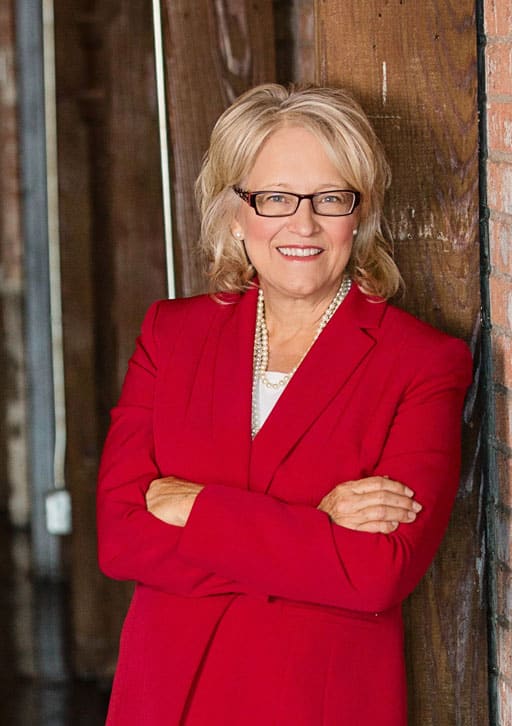
View Bio

View Bio

View Bio

View Bio

View Bio
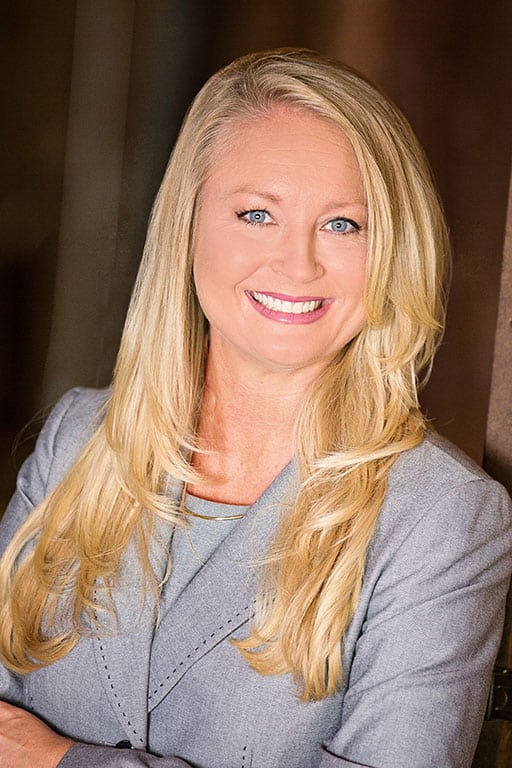
View Bio
Deborah Mackoy
Attorney
Lisa R. Hernandez
Attorney

Christine M. Qualls
Attorney
Laura E. Jones
Attorney
Why Choose Us
The McKinney Law Firm of Woods & Matlock
As part of our firm’s goal to deliver excellent professional services, all of our lawyers are Board Certified Specialists in Family Law. In order to achieve that certification, Kay Woods and Robert Matlock have all met the rigorous standards set by the State of Texas Board of Legal Specialization. Those standards include passing a tough examination, participation in continuing legal education programs, evaluations by fellow family law attorneys and judges, active participation in a specific area of the law, and compliance with re-certification procedures every five years.
- AV Rated by Martindale-Hubbell
- Family Lawyers: Responsive – Courteous – Caring
- An Exclusive Focus on Family Law
- Board Certified Specialists
- Texas Family Lawyers
- 2016 Client Satisfaction Award